| |
|
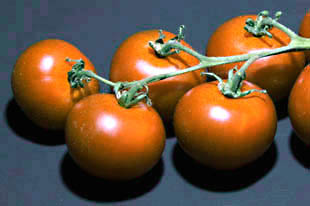
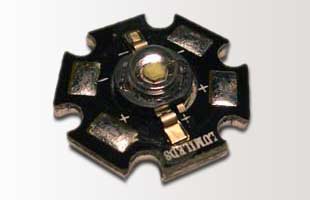
LED-illuminant 6000 K
| |
LED-illuminant
6000K High efficiency. Very cold, blue light with
very good penetration properties but a very poor imaging of red colours. For
example; the reproduction of red colours with a gas discharge iluminant from Welch-Allyn
(10/18/21/24W), is equivalent to the picture shown on the left with LED illuminant.
Corals, sponges or fish take on a reddish-brown tint similar
to that of a house brick.
|
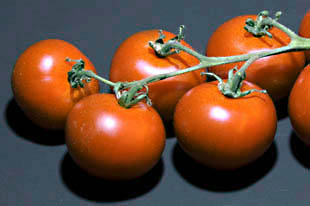
LED-illuminant 3500 K
|
LED-illuminant
3500K Poor efficiency. Warm (golden) light with
reduced penetration properties in addition to a poor reproduction of red colours. Also
known as daylight LEDs; these illuminants are poor in reproducing red colours.
Corals, sponges or fish take on a reddish-brown tint similar
to that of a house brick. |
| 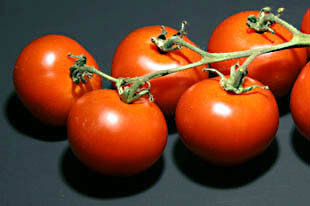
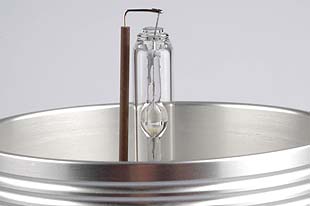
D2 HID illuminant 4300 K
|
D2 HID-illuminant 4300K
Very good efficiency. Cold, blue light with good penetration
properties and with respectable red colour reproduction. Coral, sponges
or fish reflect an average red. The Osram D2 illuminant used in our lamps
megaD2 and megaD2 Video has the best red colour reproduction properties
available on the market of gas discharge bulbs. |
|
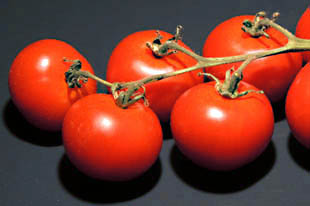
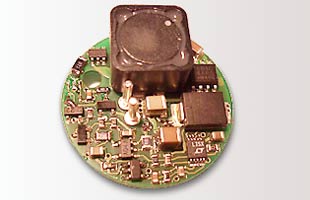
LED-R
-illuminant with Red-Light-Compensation
|
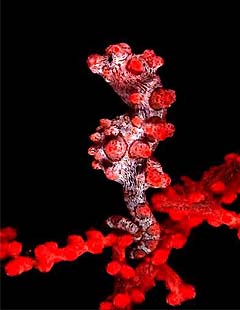
LED-R-illuminant with
Red-Light-Compansation -NEW-
Good efficiency. Very cold,
blue light with very good penetration properties and a good red colour reproduction.
Coral, sponges or fish radiate a rich red colour. The best choice
for divers who do not exclusively divie in fresh water and/or caves. The LED-R
is available for the nano compact, mini & maxi compact LCD and for
the Tech Lamps. |
HLX Halogen illuminant 3600 K
|
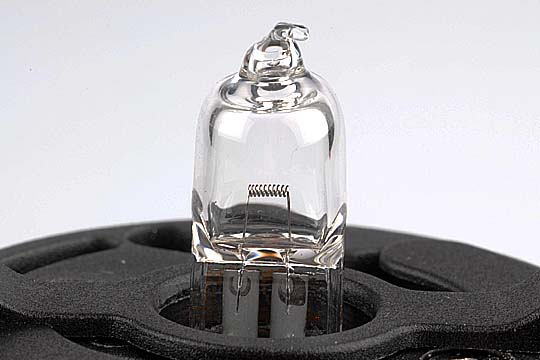
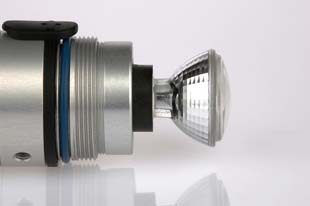
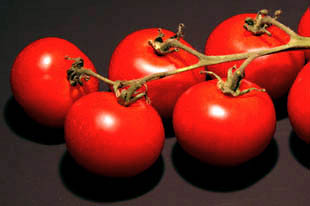
Halogen
illuminant 3600K Acceptable efficiency. Warm, red light
with reduced penetration properties but excellent red colour reproduction. Coral,
sponges or fish radiate a very rich red colour. For divers who wish to use
their lamp for optimum colour reproduction in tropical waters |
Halogen illuminant 3200 K
|
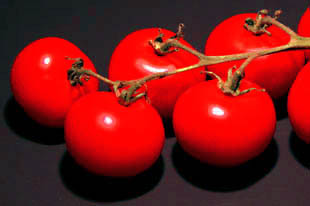
Halogen
illuminant 3200K Poor efficiency. Very warm, red light
with restricted penetration properties and an overdone red colour reproduction
similar to a TV screen with the colour set to max.. Coral, sponges or
fish radiate an exorbitant, unnatural red colour. Usually found in home
made lamps with limited technology (absence of over- voltage supply and electronics)
and/or lamps fitted with the so-called DIY store bulbs. |